

Disposable Vapes Canada
Sunpuffs is your trusted source to buy disposable vapes online. We have the best disposable vapes Canada has to offer with bold, long-lasting flavours and effortless convenience. Whether you’re new to vaping or a regular user, our disposable vape pen Canada collection is built to deliver consistent performance and satisfaction every time.


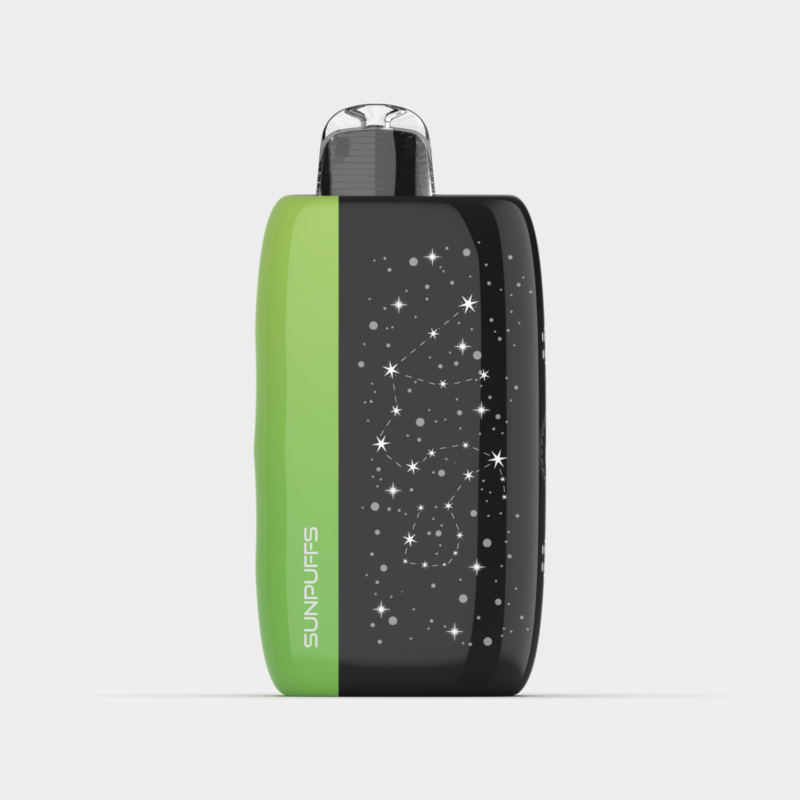
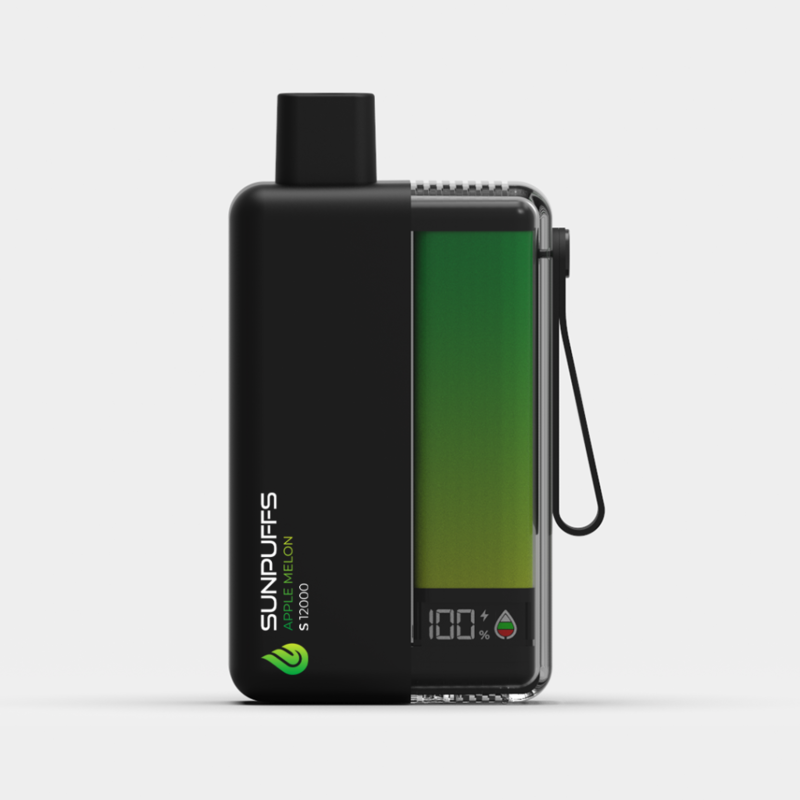


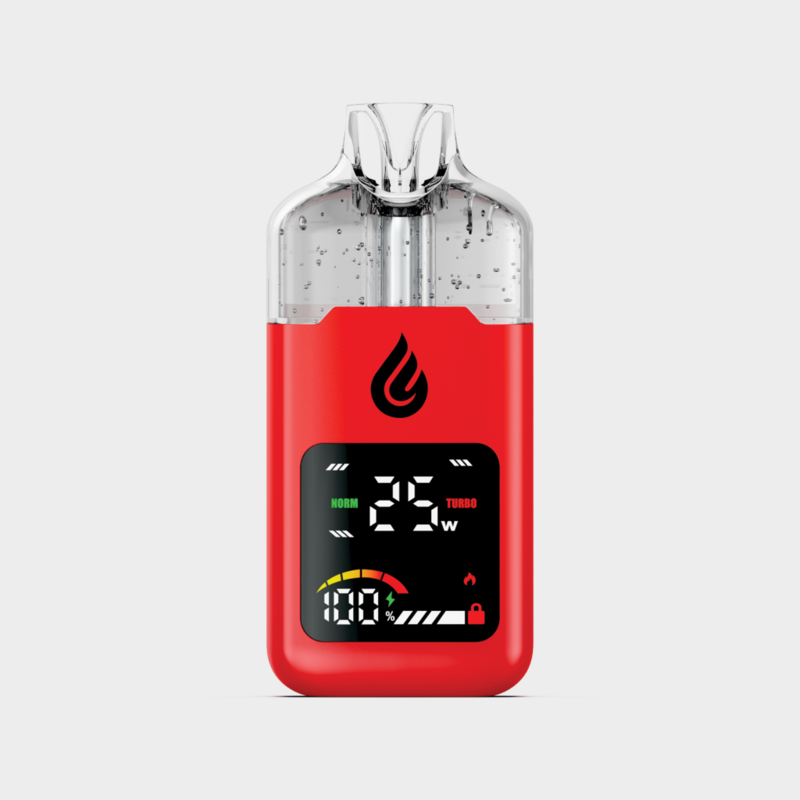

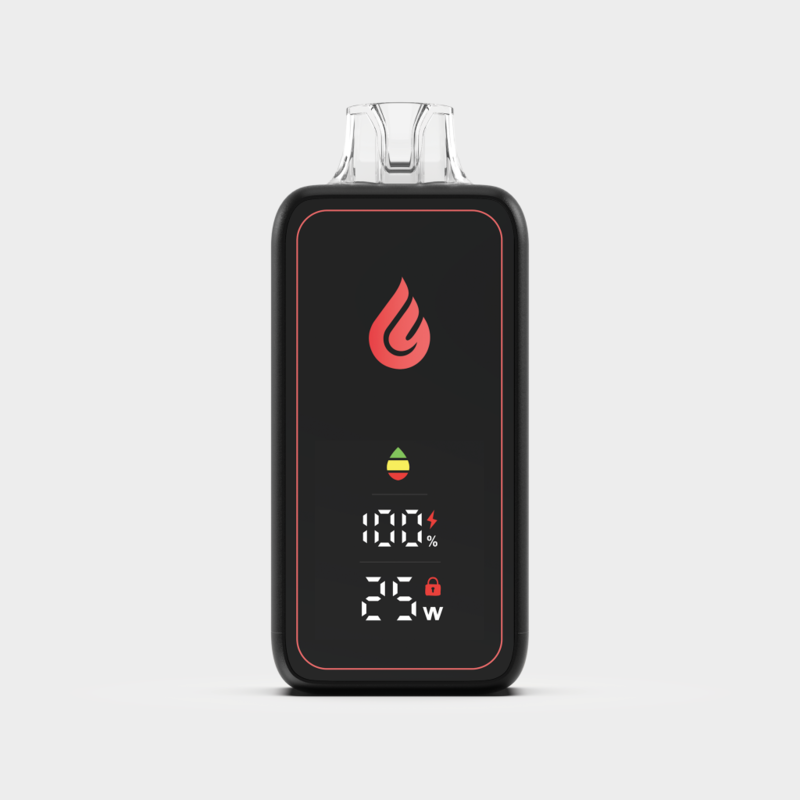

Disposable Vapes Canada
Why Choose Sunpuffs for Disposable Vapes Canada?
If you’re looking for the best disposable vape brands Canada has, Sunpuffs stands above the rest for quality and reliability. Our disposable vapes are designed for users who demand rich flavour and reliable, all-day performance.
/01 Unmatched Convenience
Skip refills and recharges. A disposable vape Canada from Sunpuffs is ready to go straight out of the box.
/02 Bold, Long-Lasting Flavours
Enjoy standout blends like Blue Raspberry Ice, Mango Aloe, Apple Melon and more.
/03 High-Puff Performance
The Sunpuffs S 12000 features 20mL of e-liquid and dual mesh coils to deliver thousands of smooth, flavourful puffs.
Buy Disposable Vapes Online with Confidence
Discover your next favourite flavour today. Our disposable vapes Canada lineup is available for fast, secure delivery nationwide.
Shop now and enjoy FREE Canada-wide shipping on all orders over $99.
What Is a Disposable Vape?
A disposable vape is a single-use vaping device that arrives pre-filled with nicotine e-liquid and pre-charged, requiring no assembly, no coil changes and no refilling. You use it until the e-liquid is finished, then recycle it.
It consists of 4 components sealed inside one body:
- A lithium-ion battery (typically 500–800 mAh in current Canadian devices)
- A pre-filled e-liquid reservoir containing propylene glycol, vegetable glycerin, flavouring and nicotine salt
- A mesh coil and cotton wick that vaporise the e-liquid
- An airflow sensor that activates the device when you inhale — there is no fire button on most models
Unlike a refillable pod system or a box mod, a disposable has no user-serviceable parts. There is no coil to replace, no tank to fill, no wattage to adjust and, on non-rechargeable models, nothing to plug in. The trade-off is that the device has a finite life measured in puffs, after which it is recycled rather than repaired.
Disposable vs. rechargeable disposable: Most current high-capacity devices in Canada, including 10,000+ puff models, are rechargeable disposables. The e-liquid reservoir is still sealed and non-refillable, but a USB-C port lets you recharge the battery so the liquid can be used to the end. Without that port, a 12,000-puff claim would be physically impossible — a 650 mAh battery cannot deliver that many puffs on a single charge.
How Disposable Vapes Work?
Understanding the internals makes spec sheets far easier to read.
Nicotine salts. Nearly all disposables use nicotine salt (benzoate or lactate) rather than freebase nicotine. Nicotine salt has a lower pH, which makes higher concentrations far smoother on the throat and produces faster blood-nicotine absorption. This is the reason a 20 mg/mL disposable feels comfortable while 20 mg/mL freebase would be harsh.
Mesh coils. A mesh coil is a perforated strip of resistance wire rather than a traditional wound wire. The larger, more even surface area heats the wick faster, produces more consistent flavour across the life of the device, and reduces the “burnt” taste that develops as older-style coils degrade. Mesh is now standard in the category and is a baseline expectation, not a premium feature.
Airflow control. Better disposables include an adjustable airflow ring at the base, letting you move between a tight MTL (mouth-to-lung) draw — similar to a cigarette — and a looser RDL (restricted direct-lung) draw. If you are transitioning from smoking, MTL is usually the more familiar sensation.
Puff counts. Puff counts are manufacturer estimates based on a standardised short puff (often 1.5–2 seconds) in laboratory conditions. Real-world output is typically 20–40% lower because actual users take longer draws. Puff count is best used as a rough comparison between devices, not as a guarantee. E-liquid volume in millilitres is the more honest capacity metric.
PG/VG ratio. The propylene glycol to vegetable glycerin ratio determines throat feel and vapour volume. Higher PG carries flavour and produces a sharper throat hit; higher VG produces denser vapour and a smoother draw. Most disposables sit around 50/50 to 30/70.
Canadian Rules Every Buyer Should Know
Canada regulates vaping products more tightly than most markets. Knowing the rules protects you from buying non-compliant product.
Federal requirements
| Requirement | What the law says | Governing regulation |
|---|---|---|
| Maximum nicotine concentration | 20 mg/mL for any vaping product manufactured or imported for sale in Canada | Nicotine Concentration in Vaping Products Regulations (NCVPR) |
| Excise stamp | Every duty-paid vaping product must carry a visible excise stamp — peach-coloured for non-participating provinces, or a province-specific stamp | Excise Act, 2001 |
| Child-resistant packaging | Containers must meet child-resistant standards | Vaping Products Labelling and Packaging Regulations (VPLPR) |
| Health warning | A prescribed nicotine health warning must appear on packaging | VPLPR / List of Health Warnings for Vaping Products |
| Ingredient list and toxicity statement | Required on the package | VPLPR |
| Advertising restrictions | Promotion that can be seen or heard by young persons is prohibited; ads require health warnings and verified age gating | Tobacco and Vaping Products Act (TVPA) / Vaping Products Promotion Regulations (VPPR) |
| Minimum federal age | 18, with provinces free to set a higher age | TVPA |
The 20 mg/mL cap is the single most important number in the Canadian market. Any disposable advertised at 50 mg/mL, 5% or “nic salt 50” is either an American-market product or a grey-market import. It is not legal for sale in Canada, and buying it means no recourse if the product is defective.
Types of Disposable Vapes Available in Canada
| Device type | Typical e-liquid | Typical battery | Rechargeable | Best suited to |
|---|---|---|---|---|
| Compact single-use | 2 mL | 350–500 mAh | No | Occasional use, trying a flavour, backup device |
| Mid-capacity disposable | 8–12 mL | 500–650 mAh | Usually USB-C | Regular daily use |
| High-capacity disposable | 15–20 mL | 650–800 mAh | USB-C | Heaviest users, longest run time per device |
| Screen-equipped disposable | 12–20 mL | 650–800 mAh | USB-C | Users who want visible battery and e-liquid readouts |
| Pod-swap hybrid | Replaceable pods | 500–800 mAh | USB-C | Users wanting disposable convenience with less waste |
The category has moved steadily toward larger reservoirs and rechargeable batteries. The practical consequence is a lower cost per millilitre for high-capacity devices — but only if you finish the device. Buying a 20 mL device to try an unfamiliar flavour is usually poor value compared to a 2 mL device.
Nicotine Strength: Choosing the Right Level
All legal Canadian disposables sit at or below 20 mg/mL. Within that ceiling, the common options are:
| Strength | Equivalent framing | Typically suited to |
|---|---|---|
| 20 mg/mL | Canada’s legal maximum | Adults transitioning from a pack-a-day or heavier smoking habit |
| 12–14 mg/mL | Mid-range | Adults reducing intake, or lighter smokers |
| 6–10 mg/mL | Low | Established vapers stepping down |
| 0 mg/mL | Nicotine-free | Adults who have eliminated nicotine but retain the habit |
How to tell you have chosen too high a strength: throat irritation, coughing, dizziness, nausea or headache after use are all signs of taking in more nicotine than you are accustomed to. Step down a level.
How to tell you have chosen too low: vaping far more frequently than you previously smoked, or persistent cravings, usually indicates the strength is not meeting your baseline. Note that a lower strength does not automatically mean less nicotine consumed, because compensatory vaping is common.
Flavour Categories Explained
Flavour is the most regulated aspect of the Canadian market, so it helps to understand the taxonomy rather than individual product names. Broadly, Canadian disposables fall into these categories:
| Category | Description | Availability across Canada |
|---|---|---|
| Tobacco | Traditional tobacco profiles | Legal in every province and territory |
| Mint / Menthol | Cooling profiles | Legal in most provinces; prohibited in Quebec and full-ban provinces |
| Fruit | Single and blended fruit profiles | Restricted or prohibited in QC, NS, PE, NB, NT, NU; specialty-retail-only in ON and BC |
| Iced / “Ice” variants | Any base profile with added cooling agent | Same restrictions as the base category |
| Dessert / Bakery | Sweet, confectionery-style profiles | Same restrictions as fruit |
| Beverage | Cola, lemonade, coffee-style profiles | Same restrictions as fruit |
| Nicotine-free | Any profile at 0 mg/mL | Still subject to provincial flavour rules in most jurisdictions |
The “ice” modifier. A cooling agent (typically WS-23 or koolada) is added to produce a chilled sensation without menthol’s flavour. It changes perceived intensity rather than the underlying profile, which is why “iced” versions of a flavour often feel lighter and smoother.
Flavour fatigue is real. Prolonged exposure to a single profile dulls your perception of it — this is olfactory adaptation, not a fault in the device. Many long-term users rotate between two or three profiles for this reason.
Explore the flavour options available for shipping to your province using the collection filters below.
How to Choose a Disposable Vape: A Buying Checklist
Work through these in order.
- Confirm what is legal where you live. Check the provincial table above before you shop. There is no point comparing flavours that cannot be shipped to your address.
- Set your nicotine strength. Heavier previous smoking generally means starting at or near 20 mg/mL; lighter use means starting lower.
- Decide on capacity honestly. Estimate how long a device needs to last you. Cost per mL falls as capacity rises, but only if you actually finish it.
- Check for a rechargeable port. Any device claiming more than roughly 5,000 puffs should have USB-C. If it does not, the claimed puff count is not achievable.
- Confirm mesh coil construction. Mesh is the current standard for consistent flavour. Its absence on a modern device is a cost-cutting signal.
- Look for adjustable airflow. This is what lets one device suit both MTL and RDL preferences.
- Verify the excise stamp. Every legal Canadian product carries one. No stamp means no legal supply chain.
- Confirm the nicotine concentration is ≤ 20 mg/mL. Anything higher is not compliant.
- Check the retailer’s age verification. Compliant Canadian retailers verify age and identity, not just a checkbox.
- Read the return and defect policy. Disposables occasionally arrive with a dead battery or leaking reservoir. A retailer with a clear DOA policy is worth more than a small price difference.
10 Buying Tips from the Canadian Market
- Judge capacity in millilitres, not puffs. Puff counts are lab estimates; mL is a measured quantity.
- Buy the smallest size when trying an unfamiliar flavour. A profile you dislike in a 20 mL device is an expensive mistake.
- Prefer USB-C over micro-USB. It is reversible, faster, and the connector standard is not going away.
- Do not chain-vape a new device. Continuous heavy use before the wick is fully saturated is the most common cause of a burnt taste in an otherwise good device.
- Store devices upright and out of heat. A hot car will thin the e-liquid, promote leaking and degrade the battery.
- Never charge unattended or overnight. Lithium-ion cells in sealed disposables have minimal thermal management.
- Buy from retailers who publish their compliance details. Excise stamps, age verification and province-specific shipping restrictions are all visible signals.
- Compare cost per mL, not sticker price. A $26 20 mL device is materially cheaper per mL than a $15 8 mL device.
- Keep one lower-strength device in rotation if you are working to reduce intake — having only 20 mg/mL devices available makes stepping down harder.
- Recycle properly. Disposables contain a lithium-ion battery and are electronic waste, not household garbage.
10 Mistakes to Avoid
- Buying on puff count alone. It is the least standardised number on the box.
- Assuming a higher nicotine strength is “stronger” in a useful sense. Above your tolerance, it just produces side effects.
- Buying 50 mg/mL “Canadian” product. It is not legal here. Full stop.
- Ignoring provincial flavour rules and then finding an order cannot ship.
- Trusting an unstamped device. No excise stamp means the product bypassed Canada’s regulatory framework entirely — including its safety testing and ingredient reporting requirements.
- Storing a device in a hot car and then wondering why it leaks.
- Puffing hard like a cigarette. Disposables reward a slow, steady draw; hard pulls flood the coil and cause spitback.
- Continuing to use a device that tastes burnt. The wick is dry. Continuing produces harsh degradation compounds.
- Throwing devices in household waste. Lithium-ion cells are a fire hazard in waste streams and a genuine problem in Canadian municipal facilities.
- Treating vaping as harmless. It is not risk-free, and it is not intended for people who do not already use nicotine.
Disposable Vapes vs. Refillable Devices
| Factor | Disposable vape | Refillable pod / mod |
|---|---|---|
| Upfront cost | Low ($15–$30 per device) | Higher ($30–$80 for the device) |
| Ongoing cost | Higher per mL over time | Lower per mL (bottled e-liquid) |
| Maintenance | None | Coil changes, cleaning, refilling |
| Learning curve | None | Moderate |
| Flavour range | Fixed per device | Any compatible e-liquid |
| Consistency | Very high — factory-set | Varies with coil age and settings |
| Portability | Excellent | Good |
| Environmental impact | Higher — battery discarded each time | Lower — one battery, many refills |
| Best for | Convenience, travel, trying the category, backup | Daily long-term use, cost control, customisation |
Neither is objectively better. Disposables win on simplicity and consistency; refillables win on long-run cost and waste. Many Canadian adults use both — a refillable at home and a disposable when travelling.
Buying Disposable Vapes Online in Canada
Online is now the dominant channel for the category, particularly outside major urban centres. What to expect from a compliant Canadian retailer:
Age and identity verification. Under the Vaping Products Promotion Regulations, online sellers must effectively restrict youth access by verifying age and identity. A self-declared date of birth or a checkbox is explicitly insufficient. Expect a real verification step.
Province-aware shipping. A compliant retailer restricts flavour availability by shipping destination, because the rules differ by province.
Discreet, tracked shipping. Standard practice is unbranded outer packaging with tracking, given the age-restricted contents.
Clear DOA and defect policy. Because the product is sealed and single-use, a defective unit cannot be repaired. Look for a stated replacement window.
Transparent pricing including excise duty. Vaping excise duty is a material part of the shelf price in Canada. Retailers who advertise prices well below market are worth scrutinising.
Sunpuffs ships Canada-wide with free shipping on orders over $99, with age verification at checkout and province-aware flavour availability.
Storage, Battery Safety and Disposal
Storage. Keep devices upright, at room temperature, away from direct sunlight, and out of reach of children and pets. Heat thins e-liquid and increases leaking; cold temporarily reduces vapour production and battery output.
Charging. Use the cable supplied or a standard USB-C cable from a reputable source. Charge on a hard, non-flammable surface. Do not charge overnight or unattended. Stop using a device that becomes hot, swells or emits an unusual smell.
Air travel. Transport Canada rules place vaping devices and spare lithium batteries in carry-on baggage only — never in checked luggage. Devices must not be used or charged onboard.
Disposal. A disposable vape is electronic waste containing a lithium-ion cell and residual nicotine. It should not go in household garbage or curbside recycling. Many Canadian vape retailers and municipal household hazardous waste depots accept them. Check your municipality’s e-waste program.
You may also like:
Frequently Asked Questions
A: The strongest disposable vape legally available in Canada is 20 mg/mL of nicotine. This is a hard federal ceiling set by the Nicotine Concentration in Vaping Products Regulations, and it applies to every vaping product manufactured or imported for sale in the country. Any disposable advertised at 50 mg/mL, 5%, or “extra strength” beyond 20 mg/mL is not compliant with Canadian law and is either an imported grey-market device or mislabelled. Because virtually all Canadian disposables use nicotine salts rather than freebase nicotine, 20 mg/mL delivers a smooth throat feel and rapid absorption comparable to much higher freebase concentrations available in other markets. If you are transitioning from heavy smoking, 20 mg/mL is the appropriate starting point.
A: It depends on capacity and how heavily you use it. A 2 mL device typically lasts one to three days for a regular user. A 12 mL device commonly lasts one to two weeks, and a 20 mL device two to four weeks. Manufacturer puff counts are estimates derived from standardised short puffs in laboratory conditions, and real-world output usually runs 20–40% lower because people take longer draws. E-liquid volume in millilitres is a more reliable comparison metric than advertised puff count. On rechargeable disposables, battery life is not the limiting factor — the device ends when the e-liquid is exhausted, signalled by a noticeably weaker draw or a burnt taste.
A: No. Flavour rules are set provincially and vary significantly. Quebec, Nova Scotia, Prince Edward Island, New Brunswick, the Northwest Territories and Nunavut restrict sales to tobacco flavour only — Quebec’s ban also covers mint and menthol. Ontario and British Columbia permit a broader flavour range but restrict non-tobacco (and in Ontario, non-mint/menthol) flavours to licensed specialty vape retailers, excluding convenience stores and gas stations. Saskatchewan applies a similar channel restriction. Alberta, Manitoba, Newfoundland and Labrador, and Yukon currently have no provincial flavour restriction beyond the federal framework. A compliant Canadian online retailer will limit what it ships to your province accordingly.
A: Check four things. First, the excise stamp — every duty-paid vaping product sold legally in Canada carries a visible stamp, peach-coloured for non-participating provinces or a province-specific stamp for Alberta, Manitoba, New Brunswick, Northwest Territories, Nova Scotia, Nunavut, Ontario, Prince Edward Island, Quebec and Yukon. Second, nicotine concentration — it must be stated in mg/mL and must not exceed 20 mg/mL. Third, labelling — packaging must be bilingual, carry the prescribed nicotine health warning, list ingredients, and include a toxicity statement. Fourth, child-resistant packaging. A device missing any of these bypassed Canada’s regulatory framework, meaning its nicotine content, ingredients and battery quality are unverified.
A: The federal minimum is 18, but provinces and territories set their own, higher, ages and the provincial rule governs. It is 18 in Alberta, Manitoba and Quebec; 19 in British Columbia, Saskatchewan, Ontario, New Brunswick, Nova Scotia, Newfoundland and Labrador, Yukon, the Northwest Territories and Nunavut; and 21 in Prince Edward Island — the highest in the country. These ages apply to online purchases exactly as they do in physical stores. Canadian online retailers are required under the Vaping Products Promotion Regulations to verify the age and identity of purchasers using a method more robust than a self-declared birth date or a checkbox.
A: A mesh coil is a perforated strip of resistance metal used in place of a traditional wound wire coil. Because the strip presents a much larger and more uniform surface area to the cotton wick, it heats faster, distributes heat more evenly, and vaporises e-liquid more consistently. In practice this means better flavour reproduction, a more even draw from the first puff to the last, and less of the harsh “burnt” character that develops as older wire coils degrade. Mesh is now the standard across the Canadian disposable category rather than a premium feature. A modern disposable that does not specify mesh construction is generally using cheaper hardware.
A: Yes, with conditions. Transport Canada and airline rules require vaping devices and any spare lithium batteries to be carried in carry-on baggage only. They must not be placed in checked luggage, because of the fire risk from lithium-ion cells in the cargo hold. You may not use or charge a vaping device onboard the aircraft. E-liquid in carry-on is subject to the standard 100 mL liquid limit, though a sealed disposable’s internal reservoir is generally treated as part of the device. Rules at your destination may differ substantially — several countries prohibit vaping products entirely — so check before travelling internationally.
A: Prices vary by capacity and by province, largely because of excise duty. A compact 2 mL device typically runs $10–$18, a mid-capacity 8–12 mL device $20–$30, and a high-capacity 15–20 mL device $25–$35. Canada applies a federal vaping excise duty, and provinces participating in the coordinated framework — currently Alberta, Manitoba, New Brunswick, Northwest Territories, Nova Scotia, Nunavut, Ontario, Prince Edward Island, Quebec and Yukon — apply an additional provincial duty, which is why identical devices cost more in those jurisdictions. When comparing prices, calculate cost per millilitre rather than sticker price. Prices well below market for a stamped product are a signal worth investigating.
A: Almost always because the wick has run dry. This happens for three reasons. The device is finished — the e-liquid is exhausted and no amount of resting will help. You are chain-vaping — taking puffs faster than the wick can re-saturate, which is most common in the first few minutes with a new device. Pausing 15–30 seconds between draws resolves it. The device has been stored in heat or cold — extreme temperatures affect e-liquid viscosity and wicking. If the burnt taste appears early in a device’s life and rest does not fix it, the unit is defective; a reputable Canadian retailer will replace it under a DOA policy.
A: Not in household garbage or curbside recycling. A used disposable contains a lithium-ion battery, electronic components and residual nicotine, which makes it both electronic waste and, technically, hazardous waste. Lithium cells in municipal waste streams are a documented fire risk in Canadian sorting facilities. The correct routes are a participating vape retailer’s take-back program, a municipal household hazardous waste depot, or a designated e-waste drop-off. Many Canadian municipalities and several provincial stewardship programs accept them. Do not attempt to open a device to separate the battery — puncturing a lithium-ion cell can cause thermal runaway.
Ready to Choose?
The collection above is filtered to products that are Canadian-compliant, excise-stamped and capped at 20 mg/mL, with availability adjusted for your province. Compare devices on e-liquid capacity, battery, coil type and airflow rather than on puff-count claims alone.
Browse the disposables collection · Filter by nicotine strength · Compare capacity and battery · Free Canada-wide shipping over $99
Vaping products contain nicotine, which is highly addictive. These products are for adults who currently use nicotine. Not for sale to minors, non-smokers, or people who are pregnant or breastfeeding.